
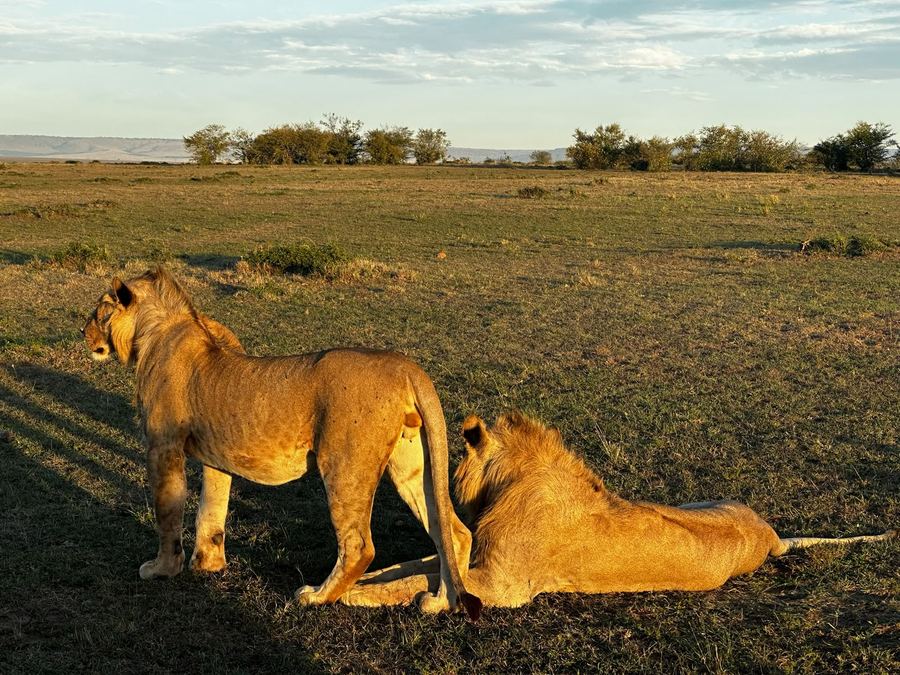
The Maasai Mara can be visited all year round, but what you see, how busy it feels and how easy the roads are all change with the seasons. This guide helps you choose the right month for the kind of safari you want.
The short answer
Most people go between July and October, when the Great Migration herds are usually in the Mara. If you prefer fewer vehicles and still want excellent wildlife, January and February are a strong choice. The long rains from March to May are quietest and greenest, but the tracks can be muddy.
July to October: the Great Migration
Large herds of wildebeest and zebra move north from the Serengeti into the Mara, usually from around July. The famous Mara River crossings are most often seen from about August to September, although the exact timing depends on the rains and the herds, and no one can promise a crossing on a given day. This is also the busiest time of year, so lodges and camps fill up early. Book several months ahead if you can.
November to December: the short rains
Short, often brief showers turn the plains green. There are fewer visitors, the light is lovely for photography and the birdlife is rich. Some herds are still around early in the period, and the resident wildlife, including lions, elephants and giraffes, stays in the Mara all year.
January to February: dry and quiet
The weather is mostly dry and warm, the grass is shorter and big cats are often easier to spot. Crowds are far lower than in the migration months, which makes this a good time for a relaxed safari.
March to May: the long rains
This is the wettest time of year. The Mara is at its greenest and visitor numbers are lowest, but heavy rain can make some tracks slippery and a few camps close for the season. A 4x4 with an experienced driver-guide matters most in these months.
June: the start of the dry season
The plains begin to dry out and the first migration herds may start to arrive. It is a good month if you want to see the Mara before the July rush.
How many days do you need?
We suggest at least three days, and four if you want time to follow the herds and big cats without rushing. The Mara is roughly a five to six hour drive from Nairobi depending on the route and conditions, or a short flight.
Our tips
- For the migration, book early and stay flexible on exact dates.
- Choose a driver-guide who knows the area. They find the wildlife for you.
- Pack for cool mornings and warm afternoons.
- Ask us about combining the Mara with Amboseli or Tsavo.
Every Land Cruiser we hire comes with an experienced driver-guide and a pop-up roof for game viewing. Read more on our Land Cruiser hire page.
Plan your trip with Biemky Safaris Limited
Tell us your dates, group size and what you most want to see. We reply with a clear plan and quote.